Por qué estás perdiendo el deseo por tu pareja (no es un problema de libido)

Nadie pierde así como así su deseo sexual por su pareja.
Se entierra. Bajo el agotamiento, bajo el resentimiento, bajo mil pequeños momentos de sentirse invisible. Y el error que comete la mayoría de la gente —y que la mayoría de los consejos convencionales perpetúan— es tratarlo como un problema físico cuando casi siempre es emocional.
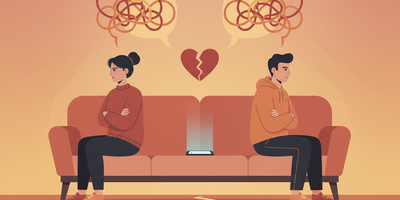
Navegar por una relación aparentemente sin sexo no suele ser un problema de libido. Es un problema de distancia emocional disfrazado de libido.
Por qué las parejas dejan de tener sexo: Lo que realmente sucede
El deseo necesita condiciones para existir. No velas y lencería —aunque, claro, eso no estorba. Las condiciones que el deseo realmente necesita son psicológicas: sentirse seguro, sentirse elegido, sentir que la persona frente a ti está realmente interesada en ti como persona y no solo como una función.
Cuando esas condiciones se erosionan —lentamente, silenciosamente, a través de la acumulación de tensión no resuelta y pequeñas desconexiones— el deseo las sigue. No de forma dramática. Simplemente de forma gradual, hasta que un día alguien nota que está perdiendo el deseo por su pareja y no tiene idea de cuándo se fue.
Las parejas con las que trabajo que luchan con la intimidad casi nunca tienen un problema de deseo biológico. Están experimentando el vínculo directo entre la distancia emocional y la intimidad. Y esa distancia suele tener un nombre: resentimiento no expresado, estrés crónico que nunca se comparte, o una deriva hacia la gestión de la vida juntos sin sentirse cercanos en el proceso.
Mira: La versión corta
@happypartnersai This one comes into sessions a lot -- like there's a simple on/off switch for sex. It doesn't work that way...and unfortunately most partners who are upset at the "sexlessness" aren't willing to do what it takes to build the emotional connection that led to the heat in the sheets in the first place. So what do we do...head on into the app and let me coach you thru it. www.app.happypartnersproject.com -- first 12 sessions are on me. #sexlessmarraige #sexytime #marriageproblems #relationshipcoach #airelationshipcoach ♬ Hip Hop Background(814204) - Pavel
Cómo reconstruir la atracción (sin forzarla)
Aquí está lo importante que hay que entender: no puedes razonar o programar tu regreso al deseo. No puedes simplemente ponerlo en el calendario y esperar que aparezca solo porque has hecho tiempo en una relación con baja libido.
Lo que vuelve a encender el deseo genuino es más simple y más difícil al mismo tiempo:
- Sentirse lo suficientemente seguro como para acercarse: La mejor descripción que tengo para esto es la sensación de estar a gusto con alguien, relajado, no tenso. Algo tan simple como un abrazo sin agenda. Contacto físico que no pide nada. Ese tipo de seguridad es a menudo lo que ha faltado discretamente.
- Sentirse elegido: No solo amado en el sentido de fondo, sino realmente priorizado. Escuchado. Recibido con momentos regulares de curiosidad genuina. Ser elegido puede verse de muchas maneras, pero casi siempre significa que tu pareja está interesada en la versión actual de ti, no en la versión que tiene archivada desde hace años.
Arregla la distancia emocional, y el deseo físico tiende a regresar por sí solo. Eso no es una promesa genérica, es un patrón que veo consistentemente en el coaching. Cuando las personas se sienten emocionalmente cercanas de nuevo, la intimidad física suele seguir sin tener que ser forzada.
La conversación que vale la pena tener primero
Antes de intentar arreglar la intimidad física, tienes que entender la distancia. Ahí es donde empezaría, no con "¿cómo volvemos a ser físicos?", sino con "¿qué hemos dejado de hacer que nos hacía sentir cercanos?"
Esas son conversaciones completamente diferentes. La segunda es la que realmente lleva a algo significativo.
Si quieres trabajar en tu parte de esto antes de hablarlo con tu pareja, empieza aquí:
"Últimamente he notado una falta de deseo o conexión con mi pareja y no estoy seguro de qué hay debajo. Quiero entender qué está pasando realmente antes de decir o hacer algo al respecto."
Inicia una sesión gratuita con la Coach Joce →

Una práctica para esta semana
Piensa en la última vez que te sentiste genuinamente atraído por tu pareja, no solo físicamente, sino queriendo estar cerca de ella. Pregúntate:
- ¿Qué era diferente en su dinámica entonces?
- ¿Qué seguridad emocional estaba presente y sientes que falta ahora?
No tienes que responder eso juntos de inmediato. Empieza por responderlo honestamente para ti. Lo que encuentres allí es casi siempre el comienzo de la verdadera conversación.