Start with This Simple Question to Turn Things Around

If you’re trying to improve your relationship and your partner:
-
Changes the subject
-
Shuts down
-
Says “I don’t like talking about this stuff”
You’re not alone — and it doesn’t automatically mean they don’t care.
Avoidance is often about emotional overload, not lack of commitment. So first, let's talk about the Why and then we'll go into the one question to ask to turn things around.
Why Partners Avoid Relationship Conversations
1. They Associate “Talking” With Conflict
If past conversations ended badly, avoidance becomes self-protection.
2. They Don’t Have Language for Their Inner World
Some people feel deeply — but struggle to articulate it.
3. They Feel Pressured to Perform Emotionally
When conversations feel evaluative, avoidance is a nervous system response.
And, avoidance usually means:
“I don’t feel safe doing this yet.”
Not:
“I don’t care.”
Implementing a structure builds safety. Safety builds participation.
What Not to Do
Avoid:
-
Forcing the conversation
-
Framing check-ins as “we need to fix you”
-
Interpreting avoidance as rejection
Pressure creates shutdown, not connection.
Ask This Question To Turn It Around
A short, predictable Weekly Relationship Check-In feels safer than spontaneous “talks.” However, if your partner is resistant to check-ins, start by asking this -- What's your biggest worry about what might happen in our Check-In? Awareness comes first.
Mirror This Back to Them + Thank Them
Here's a sample script: "Thank you for sharing that with me. I now understand why you've been resistant to starting a check-in routine."
Start Small
"I am committed to making sure your fear doesn't come true. We can use a guided Check-In tool to help us. What would you need to try it just once?"
Using a tool or app removes the sense that you are the one pushing.
When Support Helps (Without Therapy Pressure)
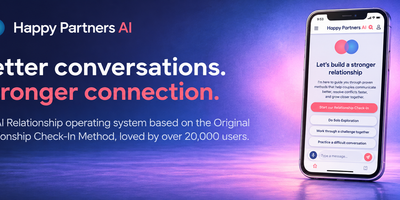
For couples stuck in avoidance loops, guided tools like Relationship Check-In Method+ provide:
-
Prompts that feel neutral
-
Pacing that respects emotional capacity
-
Insight without blame
This often unlocks participation where direct requests can’t.
Next Steps
-
Start gently → Weekly Relationship Check-In
-
Add guidance and insight → Happy Partners AI - Your On-Demand Check-In Coach
You don’t need more pressure.
You need a better container.